
Predation and the Demand for Blood
Let the Right One InThis flow traces how blood hunger drives killings, compromises care, and forces each character to decide what survival permits.
increasing Bearing strength in each event
 decreasing
Bearing strength in each eventdecreasingThe First Feeding
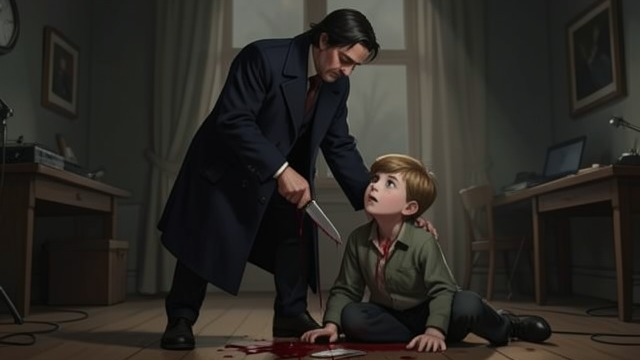
The First Feeding
Survival with a victim
Hakan kills a boy and collects blood for Eli, believing there is no alternative.
The violence establishes blood as both sustenance and moral cost. Survival is possible, but it transfers the cost to another person.
Jocke’s Attack
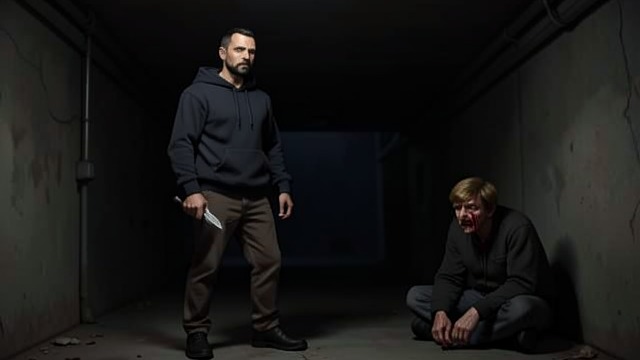
Jocke’s Attack
Hunger enters the neighborhood
Eli attacks Jocke in the underpass and kills him for blood, leaving Gosta as a terrified witness.
The feeding is not part of Hakan’s planned ritual, but it creates the local mystery that turns neighbors against one another.
Tommy’s Bargain

Tommy’s Bargain
Payment cannot normalize hunger
Eli pays Tommy to let her take blood, trying to frame the act as a limited transaction.
Money does not remove the bodily danger or the power imbalance. Tommy’s later fear shows that a bargain can conceal rather than resolve exploitation.
Virginia’s Self-Harm
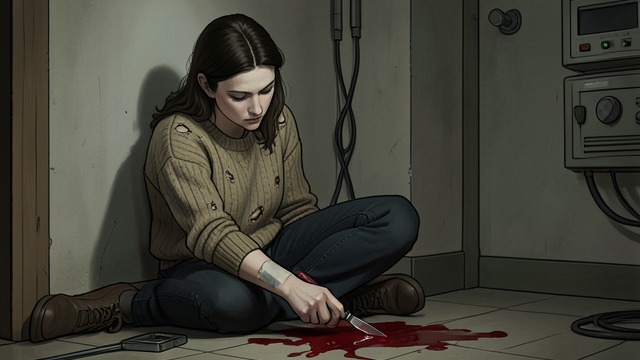
Virginia’s Self-Harm
Blood as temporary relief
Newly infected, Virginia cuts herself and drinks her own blood to quiet unbearable hunger.
The relief fades, and she realizes that survival may require another person’s blood. Her fear centers on becoming the kind of danger she once believed impossible.
Choosing Not to Feed

Choosing Not to Feed
Refusal at the cost of life
Virginia chooses sunlight rather than continue toward feeding on someone she loves.
Her death makes a moral limit visible: a person may refuse survival when survival demands harming others. The choice leaves Lacke to carry its cost.
Wednesday, October 21, 1981
Saturday night, October 24, 1981
Sunday, November 8, 1981
Saturday night into Sunday, November 8, 1981
Monday morning, November 9, 1981
